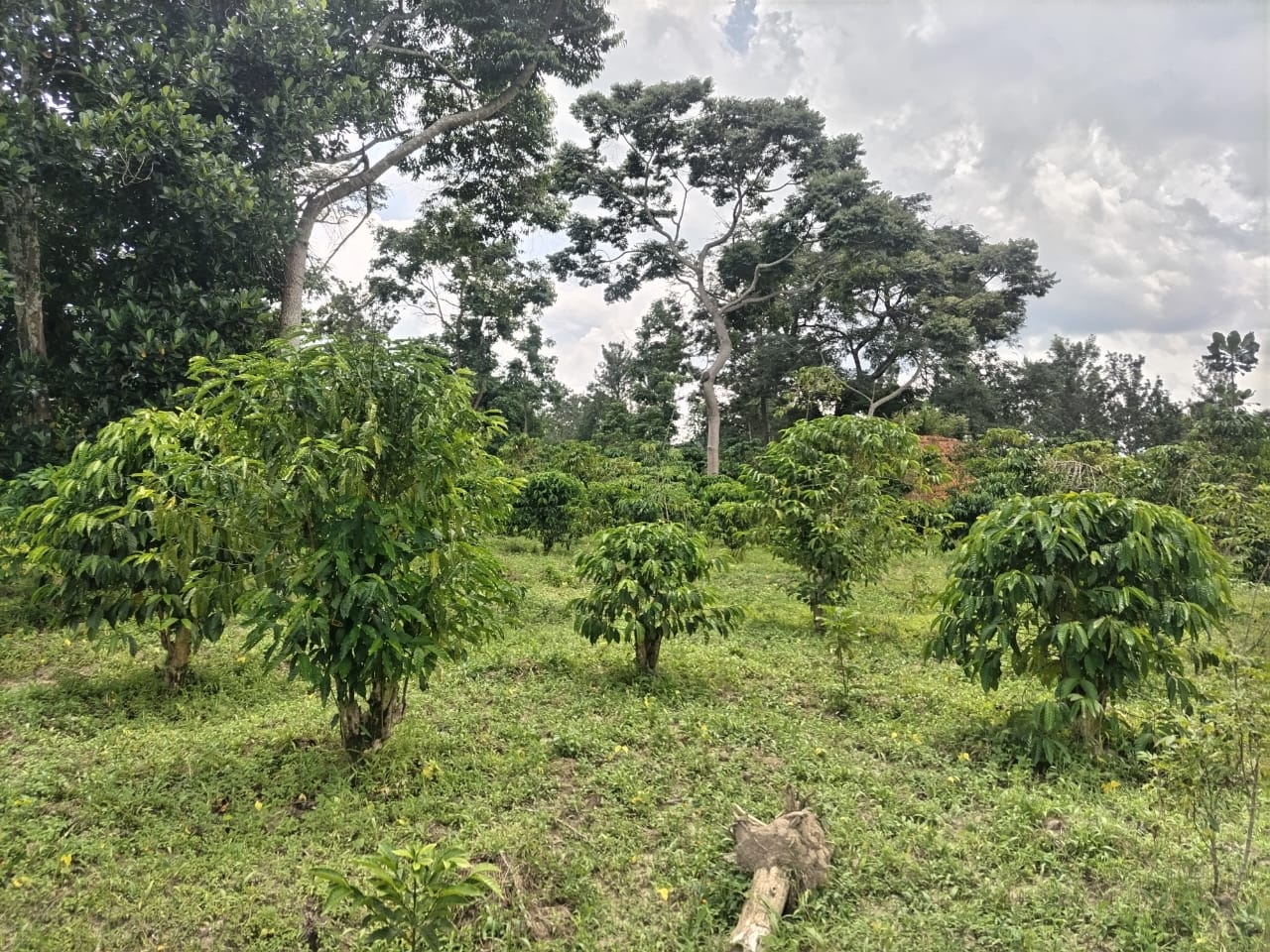
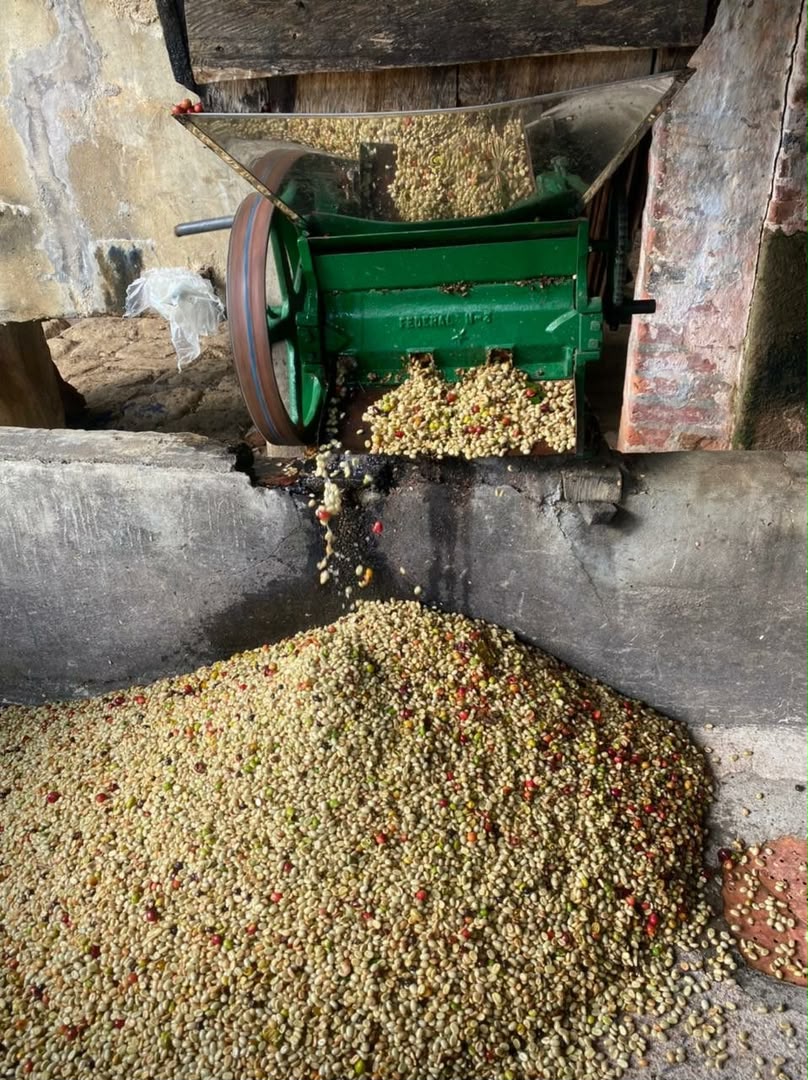
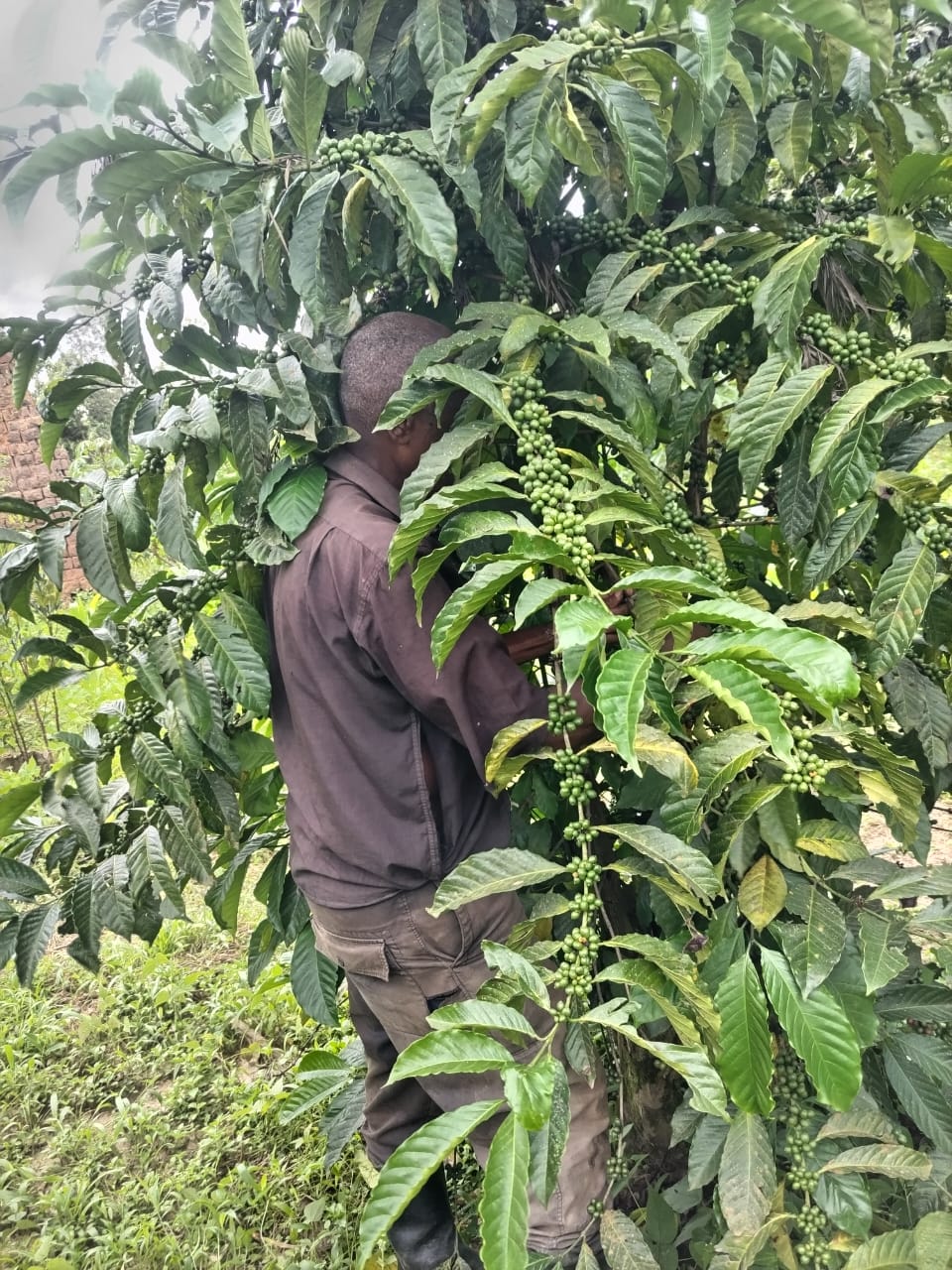
Kanyantorogo Subcounty, Kanungu District, Western Uganda where altitude, red volcanic soil, and generations of farming knowledge produce Robusta coffee of exceptional character.
At Kinkizi Go Green Coffee, we believe the farmers who grow Uganda's finest Arabica deserve to share in the value it generates.
We are building a Community Coffee Processing, Training and Innovation Hub in Kanyantorogo Subcounty, Kanungu District equipping youth farmers, women, and smallholder growers with the infrastructure, skills, finance, and market access they need to transform coffee farming from subsistence into a sustainable, innovation-driven enterprise.
This is coffee with full transparency. Coffee with a story you can trace. Coffee that pays its farmers fairly.
Building a sustainable, innovation-driven enterprise in the heart of Kanyantorogo.
Commercial hulling, solar drying, and specialty roasting - adding value before the crop ever leaves the community.
A 50-seat training centre delivering agronomy, business literacy, blockchain tools, and eco-tourism skills.
SACCO formation and micro-loan facilitation connecting farmers to capital for the first time.
Full farm-to-cup traceability with QR codes, unique farmer IDs, and coffee tokenization for global specialty markets.
Agroforestry, shade-grown coffee, soil conservation, and water harvesting building resilience into every farm.
Guided coffee farm experiences linked to Bwindi gorilla trekking - turning Kanyantorogo into a must-visit destination. 🔥
Uganda is one of the world's great Robusta coffee origins. The Kigezi highlands - with their high altitude, rich volcanic soils, and near-perfect temperatures - produce Robusta beans with a boldness, depth, and complexity that specialty buyers increasingly seek out.
Yet the farmers who grow this coffee have, for generations, sold their harvest as raw, unprocessed cherry to middlemen at prices that rarely cover the cost of production. The value is captured far away. The farmers are left with little.
Kanyantorogo Subcounty sits in Kanungu District in the Kigezi highlands of Western Uganda, a region known among coffee insiders as one of the continent's most promising yet underexplored origins.
High-altitude growing conditions producing dense, complex beans
Rich, well-drained volcanic red soils of the Kigezi highlands
The favourable temperatures of the Kigezi region: warm days, cool nights
Uganda Robusta: bold, full-bodied, naturally low-acidity, with a rich crema
Kinkizi Go Green Coffee was not started in a boardroom. It was started in the coffee farms of Kanyantorogo Subcounty, Kanungu District, in the highlands of Western Uganda where a coalition of young farmers, experienced coffee producers, and community advocates looked at what they were growing and decided it deserved better than the price they were being paid for it.
The Kigezi region has been growing coffee for generations. The land is extraordinary - high altitude, volcanic red soils, the right rainfall, the right temperatures. The Robusta coffee that grows here has a boldness and character that specialty buyers around the world are beginning to seek out. But for too long, the farmers who grew it have been selling raw cherry to middlemen at prices that kept them poor while others captured the value.
Kinkizi Go Green Coffee is our answer to that injustice.
The principles that guide every decision we make.
Every decision we make is filtered through one question: does this benefit the farmers and community of Kanyantorogo? Technology, tourism, and traceability are tools - community prosperity is the goal.
Agroforestry, shade-grown cultivation, soil conservation, water harvesting, and tree planting are not marketing points - they are operational requirements for every farm in our network.
We believe farmers deserve to know how their coffee is priced, traded, and marketed. We believe buyers deserve to know exactly who grew their coffee and how. Blockchain traceability is our commitment to both.
Minimum 60% of all programme beneficiaries are youth aged 18–35. Minimum 40% are women. This is not a target - it is a structural requirement baked into how we operate.
We use the most advanced tools available - blockchain, tokenization, solar processing technology - but we design for inclusion. If a technology does not work for a farmer with a basic phone in Kanyantorogo, it does not work for us.
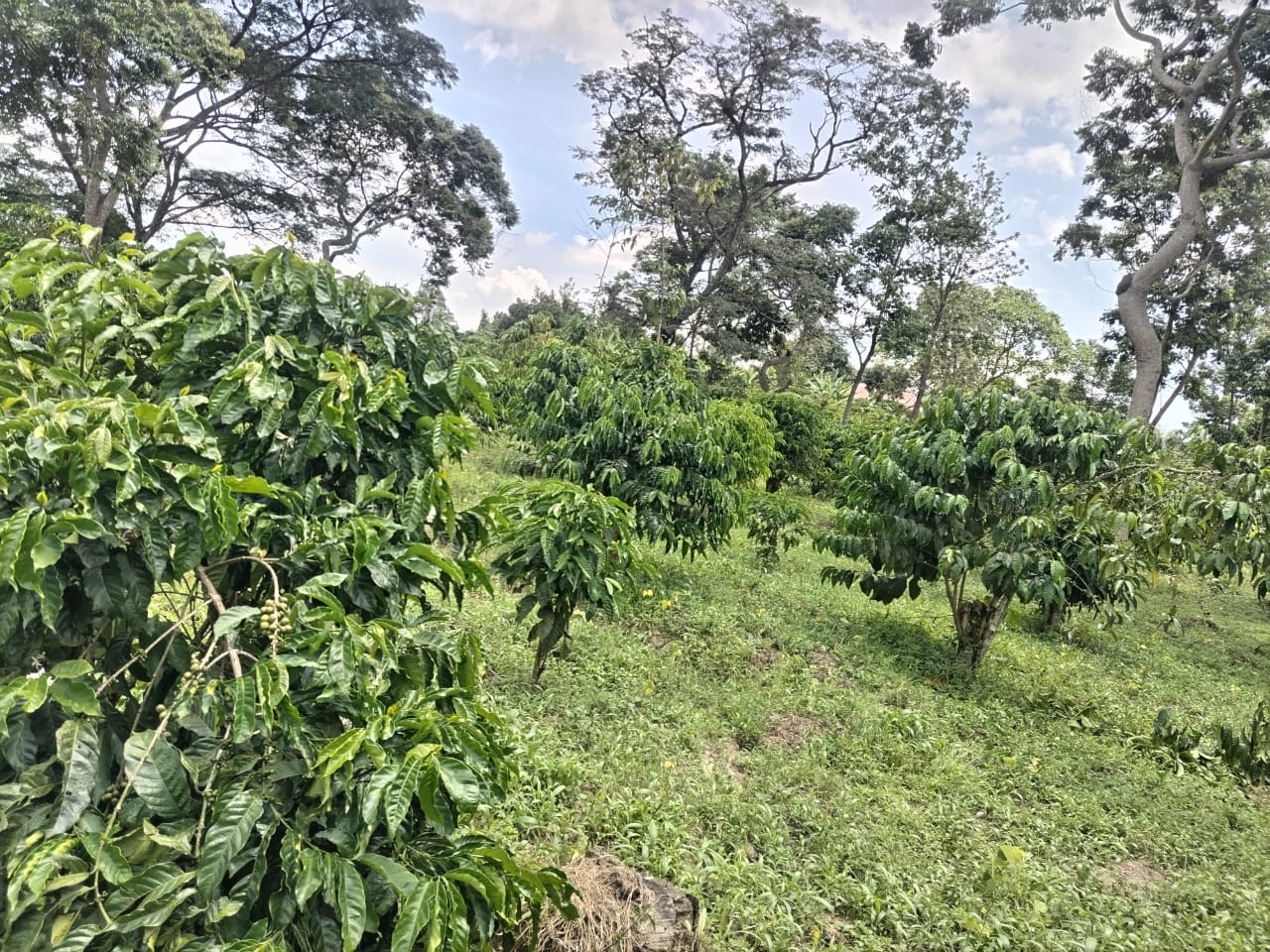
We practice agroforestry - our Robusta plants grow under a canopy of indigenous and fruit trees that regulate temperature, fix nitrogen into the soil, provide additional farm income, and sequester carbon.
Our smallholder farmers tend their plots with the kind of attention that only people who own and love their land can provide. No industrial machinery, no monoculture.
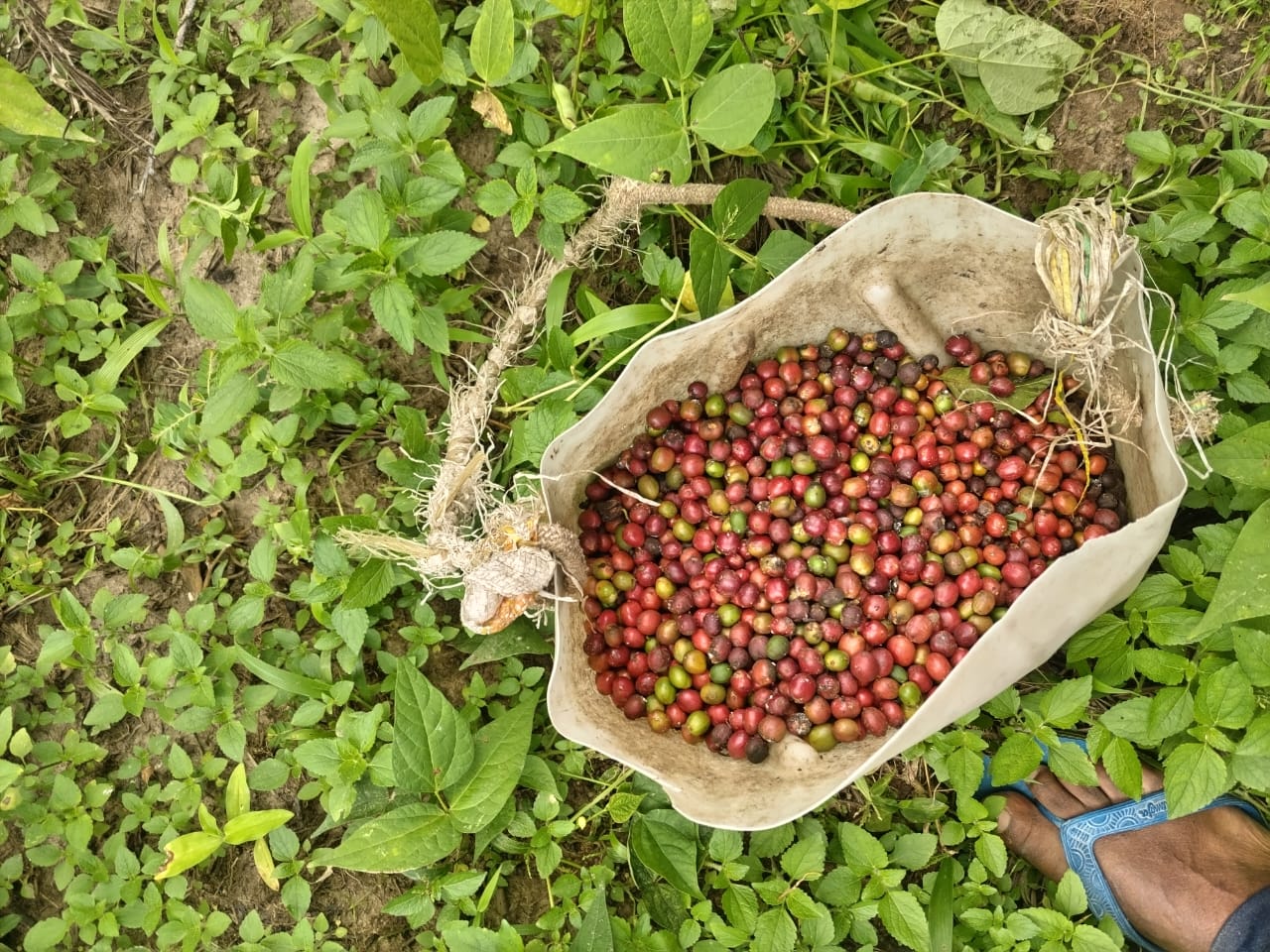
We encourage selective picking of ripe red cherries rather than strip picking - a practice we reinforce through our farmer training programme. Selective picking is the single greatest driver of cup quality.
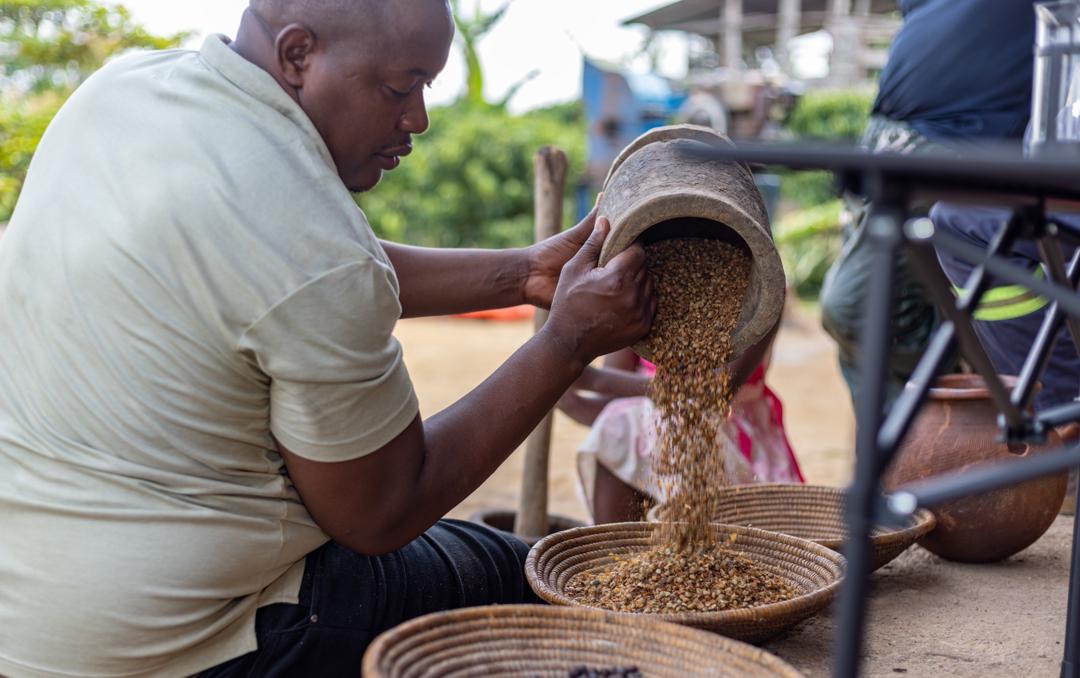
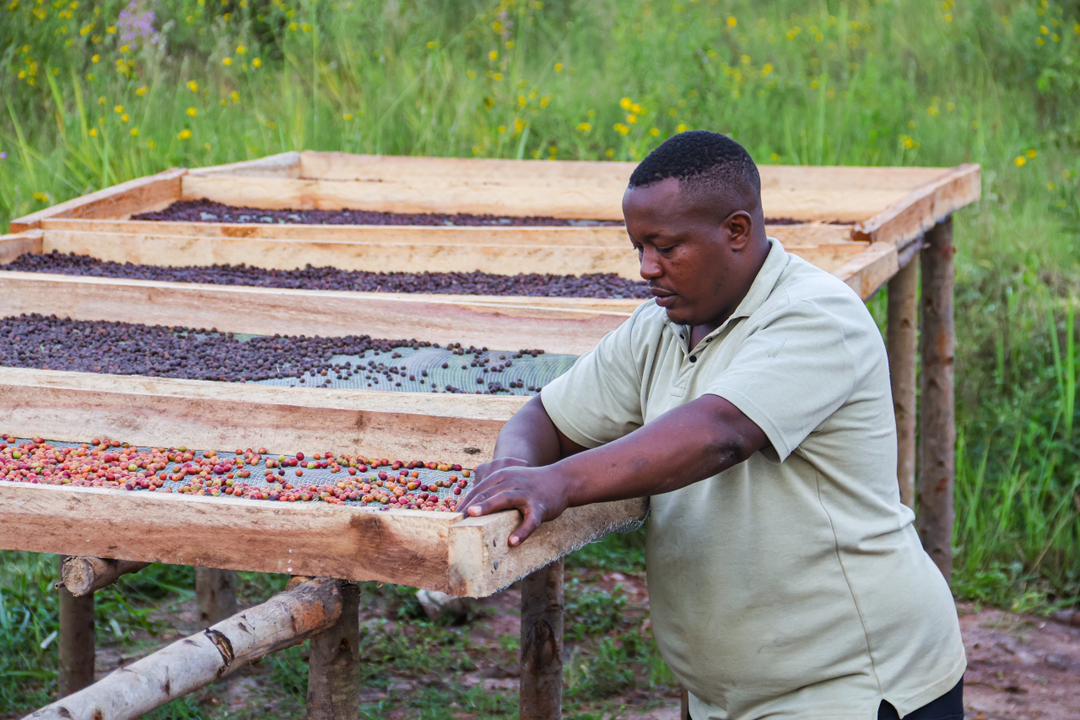
Through our community processing hub, cherries are hulled, dried on raised beds or solar dryers, and where appropriate roasted on-site ensuring the quality of Kigezi's terroir makes it all the way to your cup.
Crafting the perfect cup through diverse techniques.
Cherries are dried whole on raised beds in the Kigezi sun - a process that infuses the bean with the sugars and fruit character of the cherry. Produces a sweeter, fruitier cup profile.
Cherries are pulped and fermented before drying producing a cleaner, brighter cup with more defined flavour separation. Ideal for buyers who want a more traditional Robusta espresso profile.
A middle path - some of the fruit mucilage is left on the bean during drying. Produces a balanced cup: the body and sweetness of natural processing, the clarity of washed.
Kinkizi Go Green Coffee is not a corporate farm. It is a community - a coalition of over 300 smallholder farmers across Kanyantorogo Subcounty who have committed to growing better coffee, processing it properly, and accessing the markets their quality deserves.
The majority of our farmers are youth aged 18 to 35 who made a deliberate choice to stay in agriculture rather than migrate to Kampala for uncertain urban opportunities. They chose the land. We are working to make sure the land rewards them for it.
At least 40% of our farming community are women - many of whom are primary household earners managing farms of one to five acres. Their knowledge of this land is the foundation of our success.
Stay connected with farm updates, harvest news, new coffee releases, eco-tourism experiences, and the story of Kigezi's coffee revolution.